


Nickel Alloys
What is a Nickel Alloys?
Nickel alloys are a group of materials that contain nickel as their primary component, combined with one or more other elements to enhance their properties. These alloys are renowned for their high resistance to corrosion, even in extreme environments, as well as their strength at high temperatures.


Benefits of Nickel Alloys
Corrosion resistance
Nickel alloys are highly resistant to corrosion in various environments, including acids, alkaline solutions, and salty atmospheres. This makes them suitable for applications in industries such as chemical processing, oil and gas, and marine.
High temperature strength
Nickel alloys retain their strength and mechanical properties at elevated temperatures, making them ideal for use in high-temperature applications. They can withstand extreme conditions without losing their structural integrity.
Excellent thermal stability
Nickel alloys have excellent thermal stability, meaning they can maintain their properties even when exposed to high temperatures for prolonged periods. This makes them suitable for furnace components, heat exchangers, and other equipment that operate in extreme heat.
Good mechanical properties
Nickel alloys have excellent mechanical properties, including high tensile strength, toughness, and ductility. This makes them suitable for applications that require strong and durable materials, such as aerospace components, turbine blades, and fasteners.
Electrical conductivity
Some nickel alloys have good electrical conductivity, making them suitable for electrical and electronic applications. They can be used in connectors, switches, and circuit breakers, where low resistance and high electrical conductivity are required.
Resistance to oxidation and scaling
Nickel alloys have high resistance to oxidation and scaling, even at high temperatures. This property makes them ideal for applications in furnaces, exhaust systems, and gas turbines, where exposure to high temperatures and corrosive environments is common.
Versatility and compatibility
Nickel alloys can be easily formed, fabricated, and welded, allowing for versatility in design and manufacturing. They are also compatible with various materials, including stainless steel, carbon steel, and other alloys, making them suitable for use in a wide range of applications.
Long-term cost-effectiveness
Despite their higher initial cost compared to other materials, nickel alloys offer long-term cost-effectiveness due to their durability, resistance to corrosion, and high-temperature stability. They require less maintenance and replacement, resulting in reduced downtime and overall operational costs.
Types of Nickel Alloys
Pure Nickel Alloy: This type of alloy consists of pure nickel without any other element. It possesses excellent corrosion resistance, especially in alkaline and reducing environments. It is widely used in the chemical industry, as well as in electronics and electrical applications.
Nickel-Copper Alloys: These alloys contain a high percentage of copper along with nickel. They offer high strength, excellent corrosion resistance, and good thermal conductivity. One of the most well-known alloys in this category is Monel, which is often used in marine applications due to its resistance to saltwater corrosion.
Nickel-Chromium Alloys: Also known as Nichrome alloys, these contain nickel along with chromium and sometimes iron or other elements. They are highly resistant to oxidation and high-temperature corrosion. These alloys are commonly used in industrial heating applications, such as heating elements, furnaces, and electrical resistance wires.
Nickel-Iron Alloys: These alloys are composed of nickel and iron, usually with a higher percentage of nickel. They possess low expansion characteristics, making them ideal for applications in electronics and telecommunications. Invar and Kovar are popular examples of nickel-iron alloys.
Nickel-Based Superalloys: Superalloys are high-performance alloys that can withstand extreme temperatures and exhibit excellent strength and resistance to creep, oxidation, and corrosion. Nickel-based superalloys are widely used in the aerospace, gas turbine, and chemical processing industries.
Nickel-Titanium Alloys: Also known as Nitinol, these alloys are a combination of nickel and titanium. They exhibit shape memory and superelasticity properties, making them ideal for applications such as biomedical implants, dental wires, and flexible eyeglass frames.
Nickel-Molybdenum Alloys: These alloys contain nickel and molybdenum, providing high strength, excellent resistance to corrosion and oxidation, and good thermal stability. They are commonly used in the chemical industry, specifically for handling sulfuric acid and other aggressive environments.
Nickel-Manganese Alloys: These alloys consist of nickel and manganese with small amounts of other elements. They possess high ductility and excellent resistance to corrosion and stress corrosion cracking. These alloys find applications in the marine, oil and gas, and chemical industries.
Application of Nickel Alloys
Aerospace Industry
Nickel alloys are widely used in the aerospace industry due to their high strength, corrosion resistance, and ability to withstand high temperatures. They are used in aircraft engines, gas turbine components, and other critical parts.
Chemical Industry
Nickel alloys are used in a variety of applications in the chemical industry. They are resistant to a wide range of corrosive environments and can withstand high temperatures and pressures. Nickel alloys are used in the production of chemical reactors, valves, pumps, and heat exchangers.
Oil and Gas Industry
Nickel alloys are crucial in the oil and gas industry due to their resistance to corrosion and high temperatures. They are used in oil and gas production equipment, such as tubing, piping, and valves. Nickel alloys also play a vital role in subsea equipment, where they need to withstand harsh conditions.
Automotive Industry
Nickel alloys are used in the automotive industry for various applications, including exhaust systems, catalytic converters, and engine components. They provide high-temperature strength, corrosion resistance, and durability, which are essential for these applications.
Power Generation
Nickel alloys are used in power generation plants, including nuclear and fossil fuel power plants. They are used in turbine blades, heat exchangers, and boiler components. Nickel alloys can withstand high temperatures and offer excellent resistance to corrosion and oxidation.
Medical Industry
Nickel alloys find applications in the medical industry, particularly in the production of medical implants, such as artificial joints and dental implants. These alloys are biocompatible, corrosion-resistant, and have excellent mechanical properties, making them suitable for medical applications.
Electronics Industry
Nickel alloys are used in various electronic devices, such as mobile phones, computer components, and connectors. They offer good electrical conductivity, thermal stability, and corrosion resistance, making them suitable for these applications.
Marine Industry
Nickel alloys find extensive use in the marine industry due to their resistance to corrosion in saltwater environments. They are used in seawater valves, propellers, and marine fittings, where a high level of corrosion resistance is required.
Food Processing Industry
Nickel alloys are used in food processing equipment due to their resistance to corrosion, sanitation requirements, and high-temperature capabilities. They are used in applications such as heat exchangers, storage tanks, and processing equipment.
Selection of raw materials
The first step in the process is selecting the right raw materials. Nickel alloys are typically made by combining nickel with other metals such as chromium, iron, or copper. The purity and quality of these metals play a crucial role in the final product.
Melting and alloying
Once the raw materials are selected, they are melted together in a furnace. The melting point of each metal in the alloy is carefully considered to ensure proper mixing. The molten metal is then alloyed by adding certain alloying elements in precise proportions. This step is crucial in achieving the desired properties of the nickel alloy.
Casting
After alloying, the molten metal is poured into molds to create ingots or castings. The molds are usually made of steel and are designed to give the desired shape and size to the final product. The molten metal cools and solidifies in the mold, forming the initial castings.
Hot working
Once the castings solidify, they undergo a process called hot working. This involves subjecting the castings to high temperatures and applying pressure to shape them into the desired form. Hot working processes for nickel alloys can include forging, extrusion, rolling, or pressing. These processes help improve the mechanical properties and remove any internal defects present in the castings.
Heat treatment
Heat treatment is an essential step in the manufacturing process of nickel alloys. It involves heating the metal to specific temperatures and cooling it at controlled rates to achieve the desired microstructure and mechanical properties. Heat treatment processes can include annealing, solution treatment, precipitation hardening, or stress relieving.
Machining and finishing
After the heat treatment process, the nickel alloy may undergo machining operations to achieve the final dimensions and surface finish. This can include cutting, drilling, grinding, or polishing. Moreover, additional finishing processes like plating or coating may be employed to enhance the corrosion resistance or aesthetics of the final product.
Quality control
Throughout the entire process, quality control measures are implemented to ensure the nickel alloy meets the desired specifications. This can involve rigorous testing, such as mechanical testing, chemical analysis, non-destructive testing, and visual inspection. Any deviations or defects found are addressed to guarantee the final product's quality.
How to Choose Nickel Alloys?
Understand the purpose: Before selecting a nickel alloy, it is crucial to have a clear understanding of the purpose for which it will be used. Different alloys offer varying properties and strengths suited for specific applications. Determine whether corrosion resistance, high-temperature strength, electrical conductivity, or other characteristics are required.
Consider environmental factors: Evaluate the environmental conditions under which the nickel alloy will be exposed. Factors such as temperature, humidity, chemicals present, and stressors like pressure or vibration can greatly impact the performance and longevity of the alloy. Choose an alloy that can withstand these conditions effectively.
Consult with experts: If you are uncertain about which nickel alloy to choose, seek advice from experts in the field. Consultants, engineers, or materials specialists can provide valuable insights based on their knowledge and experience. They can help match specific alloy properties to your application requirements, ensuring the best possible choice.
Assess mechanical properties: Depending on the intended use, mechanical properties, such as tensile strength, yield strength, ductility, and hardness, should be evaluated. Different nickel alloys exhibit varying levels of these properties, and selecting an alloy with appropriate characteristics will ensure its suitability for the intended application.
Evaluate corrosion resistance: Nickel alloys are renowned for their excellent corrosion resistance. However, different alloys have varying levels of resistance to specific corrosive environments. Consider the type of corrosion that could occur, such as oxidation, pitting, or stress corrosion cracking, and select an alloy that provides the required level of resistance.
Determine cost-effectiveness: Nickel alloys can vary significantly in cost, depending on their composition and properties. Consider the overall budget for the project and evaluate the cost-effectiveness of different alloys. Sometimes a higher initial investment can lead to long-term savings, especially if the chosen alloy has superior durability and longer service life.
Perform thorough testing: Conducting tests and trials using different nickel alloys can help determine the most suitable choice. This allows for firsthand evaluation of how the alloy performs under specific conditions, providing valuable information to aid in the final decision-making process. Testing can include exposure to corrosive environments, stress tests, impact tests, and more.
Consider availability and supply: Check the availability and reliability of the chosen nickel alloy. Ensure that the alloy can be easily sourced from reputable suppliers and that there is sufficient availability for your project's requirements. Furthermore, consider the supply chain and any potential delays or risks associated with obtaining the chosen alloy.
Review industry standards and specifications: Many industries have specific standards, specifications, or codes that govern the use of nickel alloys. Ensure that the chosen alloy meets these industry guidelines to ensure compliance and safety.
Keep future requirements in mind: Anticipate any potential future changes or expansions in the application or project. Selecting a nickel alloy that can accommodate these future requirements can save time and resources in the long run.
What You Should Know When use Nickel Alloys?
Composition
Nickel alloys are a group of metallic materials made primarily of nickel, with other elements added to enhance specific properties. Common alloying elements include chromium, molybdenum, iron, copper, titanium, and aluminum. Understanding the composition is crucial to selecting the right alloy for your application.
Corrosion resistance
Nickel alloys are highly resistant to corrosion in various environments, including acidic, alkaline, and seawater conditions. This makes them ideal for industries such as chemical processing, oil and gas, and marine engineering. However, the corrosion resistance may vary depending on the alloy composition and the specific corrosive agent it encounters.
High temperature performance
Nickel alloys exhibit excellent strength and oxidation resistance at elevated temperatures, making them suitable for applications involving heat and extreme conditions. They can maintain their mechanical properties even at temperatures exceeding 1000°C, making them valuable in industries like aerospace, power generation, and gas turbines.
Weldability
Nickel alloys can be welded using various methods, including gas tungsten arc welding (GTAW), gas metal arc welding (GMAW), and shielded metal arc welding (SMAW). However, certain precautions should be taken to ensure a successful weld, such as using suitable filler metals, preheating if necessary, and controlling the interpass temperature to prevent cracking or reduced mechanical properties.
Mechanical properties
Nickel alloys possess excellent mechanical properties, including high tensile strength, good ductility, and high impact resistance. This makes them suitable for applications requiring sturdy and durable components. However, it's essential to consider the specific alloy's mechanical properties to ensure it meets the requirements of your intended use.
Fabrication considerations
Nickel alloys have specific fabrication requirements due to their unique properties. They can be challenging to machine due to their high strength and work-hardening tendencies. Therefore, selecting appropriate cutting tools, using adequate cutting speeds and feeds, and employing lubricants or coolants are necessary to achieve desired machining results.
Cost considerations
Nickel alloys can be more expensive compared to other materials, primarily due to the high cost of nickel itself and the complexity of alloying elements. Therefore, it is crucial to evaluate the cost-effectiveness of using nickel alloys based on the application's specific requirements and benefits provided by the material.
Certificate

Our Factory
GNEE(Tianjin) Multinational Trade Co., Ltd. is located in Anyang City, Henan Province, China, which is a comprehensive, modern and high-quality enterprise integrating steel production, processing and sales. GNEE is specialised in the production of hot rolled steel plates, seamless steel pipes, welded steel pipes, all kinds of steel profiles, stainless steel pipes, plates, coils and fittings, flanges, etc. It's a one-stop Service Company.



Frequently Asked Questions Nickel Alloys
As one of the leading nickel alloys manufacturers and suppliers in China, we warmly welcome you to buy nickel alloys in stock here and get free sample from our factory. All customized products are with high quality and low price.
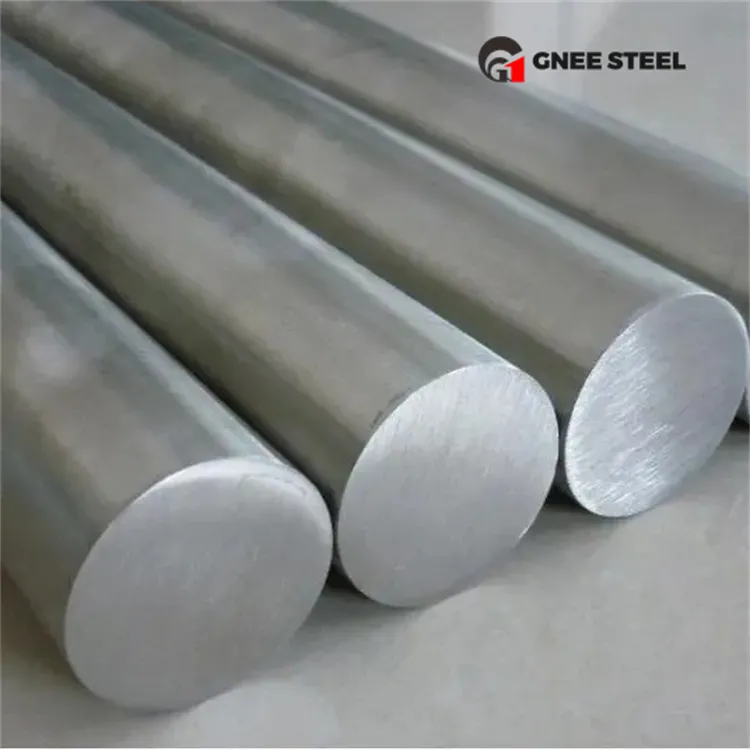
Nickel Alloy 20 Round Bar, Nickel Alloy 825, Alloy Incoloy 825 Steel