


Tantalum Alloy
What is a Tantalum Alloy?
Tantalum alloy refers to a mixture composed primarily of tantalum metal combined with one or more other elements to improve its properties or reduce its cost. Tantalum is a highly corrosion-resistant metal known for its strength and ductility, making it valuable in a range of applications, especially in high-temperature environments.
Corrosion Resistance
Tantalum alloy has exceptional corrosion resistance, making it extremely durable in harsh environments. It is highly resistant to various corrosive substances, including acids (such as sulfuric acid), alkalis, and saltwater solutions. This property makes tantalum alloy ideal for applications involving chemical processing, pharmaceutical production, and marine environments.
High Melting Point
Tantalum alloy has one of the highest melting points among metals, exceeding 3000 degrees Celsius. This high melting point allows it to withstand extreme temperatures without losing its structural integrity. Consequently, tantalum alloy is utilized in industries requiring resistance to high temperatures, such as aerospace, nuclear, and defense.
Excellent Conductivity
Tantalum alloy exhibits excellent electrical and thermal conductivity properties. This makes it a preferred choice in electronics, especially for capacitors and other high-performance electrical components. Tantalum capacitors are known for their high energy density, reliability, and stability. The alloy's high thermal conductivity also enables efficient heat dissipation, ensuring extended component lifespan.
Biocompatibility
Tantalum alloy is biocompatible, meaning it is non-toxic and does not cause adverse reactions when in contact with living tissues or bodily fluids. Therefore, it is widely used in medical and dental applications such as implants, surgical instruments, and orthopedic devices. The alloy's bioinertness, along with its strength and corrosion resistance, makes it an ideal choice for long-term implantation.
Low Reactivity
Tantalum alloy exhibits low reactivity with other substances, which prevents it from contaminating the materials it comes into contact with. This property is particularly advantageous in the chemical industry, where purity and cleanliness are crucial. Tantalum alloy's low reactivity also makes it suitable for laboratory equipment, reaction vessels, and catalyst supports.
Lightweight and Durable
Despite its exceptional strength, tantalum alloy is relatively lightweight compared to other metals with similar properties. This makes it useful in industries that require lightweight yet durable materials, such as aerospace and automotive. The high corrosion resistance and strength-to-weight ratio of tantalum alloy ensure longevity and reliability in various applications.
Longevity
Tantalum alloy is known for its long lifespan, even in challenging conditions. Its resistance to corrosion, high temperatures, and wear makes it a cost-effective choice in industries where frequent replacements are undesirable. The extended longevity of tantalum alloy components translates into reduced maintenance and replacement costs, making it an attractive option for many industrial applications.
Types of Tantalum Alloy
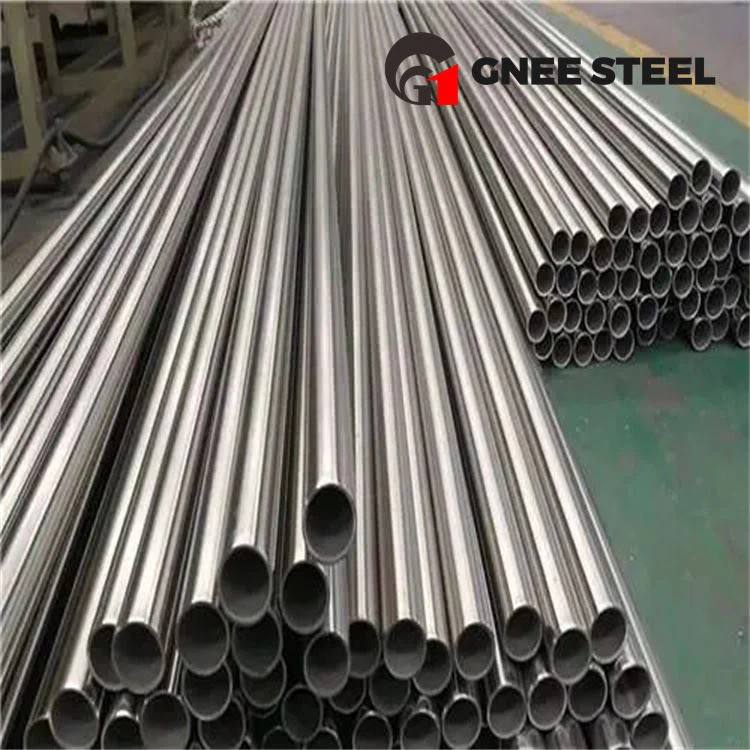
Tantalum 2.5% Tungsten Alloy
It is commonly used in the aerospace industry for engine components and structural parts.
Tantalum 2.5% tungsten alloy is also utilized in the medical field for dental and surgical instruments.
Tantalum 10% Tungsten Alloy
It is widely used in the chemical processing industry for corrosion-resistant equipment such as heat exchangers and valves.
Tantalum 10% tungsten alloy is also utilized in the electronics industry for capacitor anodes due to its high capacitance and low leakage current.
Tantalum 40% Niobium Alloy
It is commonly used in the production of superconductors, nuclear reactors, and electronic components.
Tantalum 40% niobium alloy is also used in the chemical industry for equipment that handles corrosive materials.
Tantalum 30% Tungsten 10% Niobium Alloy
It is widely used in the defense and aviation industries for components subjected to extreme conditions.
Tantalum 30% tungsten 10% niobium alloy is also utilized in chemical processing, where resistance to corrosion and high temperatures is crucial.
Tantalum 60% Tungsten Alloy
It is primarily used in the glass manufacturing industry for electrode components that can withstand molten glass processing.
Tantalum 60% tungsten alloy is also utilized in high-temperature applications and other industries where corrosion resistance is needed.
Application of Tantalum Alloy
Electronics industry: Tantalum alloys are widely used in the electronics industry due to their excellent electrical conductivity and stability. They are often used as thin films or foils in capacitors, resistors, and semiconductors. Tantalum alloys can withstand high temperatures and provide reliable performance in various electronic devices.
Chemical industry: Tantalum alloys exhibit exceptional resistance to corrosion and chemical reactions, making them ideal for use in the chemical industry. They are commonly used in chemical reactors, heat exchangers, and pipes that handle corrosive materials. Tantalum alloys can withstand aggressive environments, such as acidic or alkaline solutions, and maintain their structural integrity.
Aerospace industry: Tantalum alloys find applications in the aerospace industry due to their high strength-to-weight ratio and excellent heat resistance. They are commonly used in turbine blades, rocket nozzles, and other components subjected to high temperatures and stress. Tantalum alloys can withstand extreme conditions and provide reliable performance in the demanding aerospace environment.
Medical industry: Tantalum alloys are biocompatible and resist corrosion, making them suitable for various medical applications. They are used in implants, such as bone plates and screws, due to their excellent mechanical properties and ability to integrate with living tissues. Tantalum alloys provide long-term stability and compatibility for medical implants.
Nuclear industry: Tantalum alloys have high melting points and excellent resistance to radiation damage, making them valuable in the nuclear industry. They are used in nuclear reactors, fuel elements, and other components that are exposed to high temperatures and radiation. Tantalum alloys ensure the safe and reliable operation of nuclear power plants.
Automotive industry: Tantalum alloys find application in the automotive industry due to their high temperature strength and corrosion resistance. They are used in exhaust systems, brake components, and other parts that experience high temperatures and exposure to corrosive gases or liquids. Tantalum alloys ensure the durability and performance of automotive systems.
Defense industry: Tantalum alloys are utilized in the defense industry for their exceptional strength, toughness, and resistance to corrosion. They are used in armor plating, missile components, and other defense systems that require high reliability and protection. Tantalum alloys contribute to the safety and effectiveness of defense equipment.
Raw Material Selection
The first step in the process is to carefully select the raw materials for the tantalum alloy. Tantalum is a rare metal and is usually obtained from minerals such as coltan or tantalite. These minerals are mined and refined to obtain tantalum powder.
Powder Production
The tantalum powder is produced by grinding and milling the tantalum ore. This powder is then carefully processed to remove impurities and ensure a high degree of purity. The purity of the tantalum powder is crucial for the quality of the final alloy.
Alloying
Once the tantalum powder is obtained, it is combined with other metals to create the desired alloy. Common alloying elements for tantalum include tungsten, niobium, and titanium. The powder mixture is carefully blended to ensure a uniform distribution of the alloying elements.
Compaction
The powder mixture is then compacted into the desired shape using a process called powder metallurgy. In this process, the powder is subjected to high pressure to form a compacted mass. The compacted mass is then heated to a temperature just below the melting point of the tantalum alloy.
Sintering
After compaction, the compacted mass is subjected to a high-temperature sintering process. During sintering, the particles of the tantalum alloy bond together, resulting in a solid and dense material. This process helps to enhance the strength and integrity of the final product.
Forming
After sintering, the material is further processed to achieve the desired shape and dimensions. This can be done through various processes such as machining, forging, or extrusion. The choice of forming process depends on the specific requirements of the application.
Heat Treatment
The formed tantalum alloy may undergo heat treatment to further enhance its mechanical properties. Heat treatment processes such as annealing or tempering are applied to the material to improve its strength, hardness, and ductility. This step is crucial for ensuring the final product meets the desired specifications.
Finishing and Quality Control
The final step in the process involves finishing the tantalum alloy surface to meet the desired smoothness, texture, and appearance. The finished product is then subjected to rigorous quality control measures to ensure it meets the required standards and specifications. This may involve various testing methods such as chemical analysis, mechanical testing, and non-destructive testing.
The Considerations for Buying Tantalum Alloy
Purpose
Determine the purpose of buying tantalum alloy. Tantalum alloys have various applications, such as in the aerospace industry, electronics manufacturing, chemical processing, and medical devices. Identifying the intended use will help in selecting the right type of tantalum alloy.
Grade and Composition
Check the grade and composition of the tantalum alloy. Tantalum alloys come in different grades and compositions, each suitable for specific applications. For instance, Tantalum 2.5% tungsten alloy is commonly used in the aerospace industry due to its high strength and corrosion resistance.
Purity
Consider the purity of the tantalum alloy. The purity level affects the overall performance and durability of the material. Higher purity tantalum alloys are often preferred in industries where contamination or impurities could have adverse effects.
Certification
Ensure that the tantalum alloy meets industry standards and has the necessary certifications. Look for certifications like ASTM International (formerly known as the American Society for Testing and Materials) and ISO (International Organization for Standardization) to ensure quality and compliance with specific requirements.
Size and Form
Determine the required size and form of the tantalum alloy. Tantalum alloys are available in various forms such as sheets, plates, rods, wires, and tubes. Consider the dimensions required for your specific application to make the right purchasing decision.
Supplier Reputation
Research the reputation and credibility of the supplier. Check for reviews, customer feedback, and references to ensure that the supplier is reliable and trustworthy. It is essential to buy from established suppliers who provide good customer support and have a track record of delivering quality products.
Cost and Availability
Consider the cost and availability of the tantalum alloy. Tantalum is a rare metal, and its availability can be limited, leading to higher prices. Compare prices from different suppliers but prioritize quality over cost. It is crucial to ensure a consistent supply of the required tantalum alloy for ongoing or future projects.
Packaging and Delivery
Assess the packaging and delivery options provided by the supplier. Tantalum alloys are sensitive to environmental elements; therefore, proper packaging is necessary to prevent contamination or damage during transportation. Check if the supplier offers secure and suitable packaging, along with reliable delivery methods.
How to maintain Tantalum Alloy?
Keep the surface clean: Regularly clean the surface of the tantalum alloy with a mild detergent and soft cloth. This will help prevent the buildup of dirt, oil, and other contaminants that can cause corrosion or tarnishing.
Avoid harsh chemicals: Tantalum alloys are generally resistant to most chemicals, but it is still important to avoid exposing them to harsh chemicals such as strong acids or alkalis. These substances can potentially damage the surface and compromise the integrity of the alloy.
Protect from impact: Tantalum alloys are relatively strong and durable, but they can still be susceptible to damage from impact. Avoid dropping or banging the alloy against hard surfaces, as this can cause dents, scratches, or even fractures.
Store properly: When not in use, it is important to store tantalum alloy items in a safe and dry place. Moisture and humidity can accelerate corrosion or tarnishing, so it is best to keep the alloy in airtight containers or bags to minimize exposure to such conditions.
Avoid extreme temperatures: Tantalum alloys have a high melting point, but extreme temperatures can still affect their properties. Avoid exposing the alloy to intense heat or cold, as this can cause distortion, brittleness, or other structural changes.
Regular inspection: Periodically inspect the tantalum alloy for any signs of wear, degradation, or damage. This allows for early detection of any issues, which can be addressed promptly to prevent further deterioration.
Seek professional assistance: If you notice any significant damage or suspected issues with the tantalum alloy, it is advisable to seek professional assistance. Experienced technicians can provide the necessary expertise to repair or restore the alloy to its optimal condition.
Certificate

Our Factory
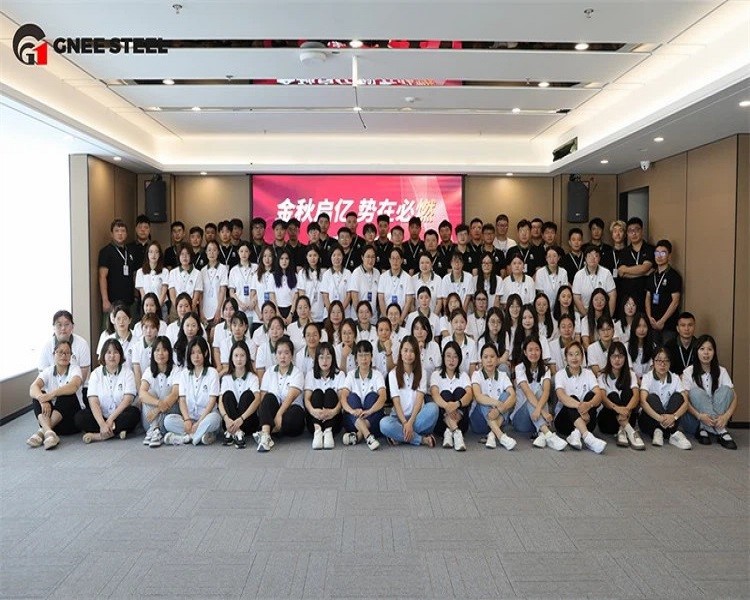
GNEE(Tianjin) Multinational Trade Co., Ltd. is located in Anyang City, Henan Province, China, which is a comprehensive, modern and high-quality enterprise integrating steel production, processing and sales. GNEE is specialised in the production of hot rolled steel plates, seamless steel pipes, welded steel pipes, all kinds of steel profiles, stainless steel pipes, plates, coils and fittings, flanges, etc. It's a one-stop Service Company.


Frequently Asked Questions Tantalum Alloy
As one of the leading tantalum alloy manufacturers and suppliers in China, we warmly welcome you to buy tantalum alloy in stock here and get free sample from our factory. All customized products are with high quality and low price.
international tantalum alloy market, Tantalum Alloy R05400 Bars, growing tantalum alloy market