



ASTM A302 Grade B, also known as ASME SA‑302 Gr.B, is a manganese‑molybdenum alloy pressure‑vessel steel plate per ASTM A302/A302M. This grade is extensively utilized for moderate‑temperature, high‑pressure service and exhibits outstanding high‑temperature strength and hydrogen‑resistance. As a manganese‑molybdenum low‑alloy steel, it is one of the prevailing materials for petrochemical hydrogenation reactors, steam drums, high‑pressure separators and process vessels for hydrogen‑bearing media. It contains no nickel. When compared against nickel‑alloyed A302 Grade C and Grade D plates, it achieves well‑balanced mechanical properties alongside competitive material costs.
As a pressure‑vessel‑steel supplier, we have 18 years of experience exporting alloy steel plates for boiler and pressure‑vessel service. We comply strictly with ASTM and ASME requirements. All shipped materials are supplied with original mill test certificates (MTC) conforming to EN 10204 3.1/3.2. Our supply chain works closely with leading domestic steel mills, and our products hold applicable ISO, CE and other relevant certifications.

If you are sourcing SA‑302 Gr.B plates for pressure‑vessel projects and require certified mill test certificates (MTC) plus custom heat‑treatment proposals, please submit your drawings or technical specifications. We will furnish a formal quotation within 24 working hours.
ASTM A302 steel plate specification
|
Item |
ASTM A302 steel plate |
|
Width(mm) |
1000-4000mm |
|
Thickness(mm) |
0.2-150mm |
|
Length(mm) |
1000-20000mm |
|
MOQ |
1 Ton |
|
Price Term |
FOB, CIF CER |
|
Surface |
Black painting,anti rust oil, hot galvanized, cold galvanized |
|
Certificates |
ISO 9001:2008 TUV SGS BV etc |
|
Packaging |
Loose package, Packaged in bundles(3Ton Max) , bundled pipes with two slings at the both end for easy loading and discharging, End with Plastic caps or as per requirement |
ASTM A302 PVQ Steel Plate Chemical Composition
| Grade | C Max | Si | Mn | P | S | Mo | Ni |
| A302 Gr.A | 0.25 | 0.13-0.45 | 0.87-1.41 | 0.035 | 0.35 | 0.41-0.64 | |
| A302 Gr.B | 0.25 | 0.13-0.45 | 1.07-1.62 | 0.035 | 0.35 | 0.41-0.64 | |
| A302 Gr.C | 0.25 | 0.13-0.45 | 1.07-1.62 | 0.025 | 0.25 | 0.41-0.64 | 0.67-1.03 |
| A302 Gr.D | 0.25 | 0.13-0.45 | 1.07-1.62 | 0.035 | 0.35 | 0.41-0.64 | 0.67-1.03 |
ASTM A302 PVQ Steel Plate Mechanical Proeprty
| Grade | tensile strength(MPa) | yield strength(MPa) | Elongation% |
| A302 Gr.A | 515-655 | 310 | 15 |
| A302 Gr.B | 550-690 | 345 | 15 |
| A302 Gr.C | 550-690 | 345 | 17 |
| A302 Gr.D | 550-690 | 345 | 17 |
ASTM A302 Grade A / B / C / D Selection Comparison
| Grade | Type | Feature | Toughness | Weldability |
| A302 Gr.A | Mn-Mo | Lowest strength, basic type | Standard | Good |
| A302 Gr.B | Mn-Mo | Medium intensity, most commonly used | Standard | Good |
| A302 Gr.C | Mn-Mo-Ni | Containing nickel, with better toughness | Good | Excellent |
| A302 Gr.D | Mn-Mo-Ni | Higher nickel content, optimal toughness | Excellent | Excellent |
Fabrication and Machining Properties of ASTM A302 Gr.B Plate
ASTM A302 Gr.B is a manganese‑molybdenum (Mn‑Mo) low‑alloy pressure‑vessel steel. It demonstrates good overall fabrication performance for pressure‑vessel manufacturing, covering cutting, forming, bending and machining operations.
Thermal cutting: Both flame cutting and plasma cutting are suitable. Preheating is recommended before cutting plates above 80 mm in thickness to avoid edge hardening and micro‑cracking. Cut edges shall be ground to remove the hardened layer to satisfy subsequent welding requirements.
Cold forming and bending: Its cold‑forming capability is limited. Cold bending is acceptable for thin‑gauge plates, while large‑deformation cold bending is not recommended for heavy‑gauge plates. Hot bending shall be prioritised for components with tight bend radii. Cold‑formed components typically require stress‑relief annealing to remove residual stresses generated during forming.
Hot forming: It delivers excellent hot‑forming performance. The suggested forming temperature range is 850–1050 °C; forming below 700 °C is strictly forbidden. Normalizing heat treatment must be carried out after hot bending or hot forming to restore the material's original mechanical properties and comply with ASME pressure‑vessel code requirements.
Machinability: Machinability is moderate. The Mn‑Mo alloying constituents increase tool wear. Cutting speeds and feed rates shall be optimised accordingly, and high‑strength cutting tools should be utilised. Hardened edges resulting from thermal cutting must be removed prior to machining.
Surface treatment: Hot‑rolled surfaces may undergo shot blasting, sandblasting and primer coating. Local surface defects shall be ground smooth per applicable pressure‑vessel fabrication codes.
ASTM A302 Gr.B Steel Plate Typical Applications
- Petrochemical industry: hydro‑processing reactors, high‑pressure separators, fractionating equipment, hydrogen‑containing process vessels
- Coal‑chemical & gas industry: LPG storage tanks, high‑pressure reaction kettles, synthesis processing equipment
- Power & boiler sector: boiler steam drums, shell‑and‑tube heat exchangers, high‑pressure power equipment components
- General pressure‑vessel manufacturing: mid‑temperature high‑pressure vessels working within service temperature up to 500 ℃
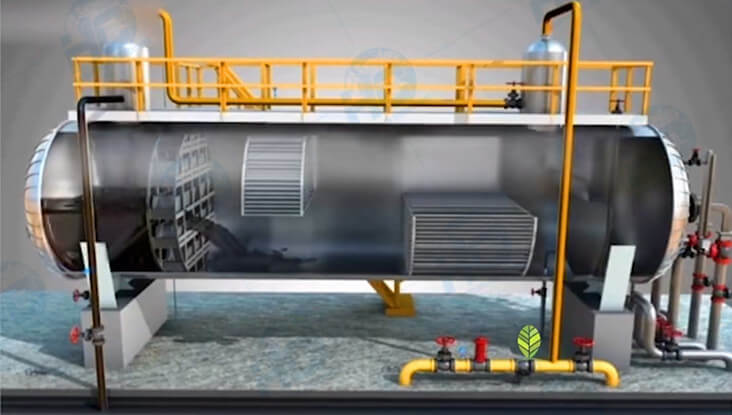


We can provide third‑party witness inspection (SGS / BV etc.) and full‑set project documentation for your A302 Gr.B order. Contact GNEE Steel to get plate cutting plan and mill test sample reference.
Services Provided by GNEE Steel
- Material supply: Original ASTM/ASME compliant A302 Gr.B steel plates from qualified domestic mills, full dimension coverage.
- Processing service: Cut‑to‑size, flame cutting, plasma cutting, shot blasting and priming according to customer drawings.
- Heat‑treatment service: Normalizing, Q+T, stress relief, simulated PWHT as project requirements.
- Export logistics: Seaworthy packing, container or bulk cargo shipment, one‑stop logistics solution for global destinations.

FAQ
What is the difference between ASTM A302 Gr.B and ASME SA‑302 Gr.B?
There is no technical difference in chemical composition or mechanical properties between ASTM A302 Gr.B and ASME SA-302 Gr.B. ASME adopts ASTM material specifications into Section II of the Boiler and Pressure Vessel Code, prefixing them with an "S".
What is the maximum service temperature for A302 Gr.B?
The maximum allowable service/design temperature for ASTM A302 Grade B (manganese-molybdenum alloy steel plate for pressure vessels) under the ASME Boiler and Pressure Vessel Code (Section II, Part D) is generally limited to 650°F to 900°F (343°C to 482°C) depending on the specific division/code criteria and allowable stress values, with prolonged use above 800°F (427°C) discouraged due to the risk of the carbide phase converting to graphite.
Is PWHT mandatory after welding A302 Gr.B?
Yes, Post-Weld Heat Treatment (PWHT) is generally mandatory for ASTM A302 Grade B (classified under ASME P-No. 3, Gr. No. 2) when the nominal weld thickness exceeds 1.0 inch (25 mm) under codes like ASME Section VIII Division 1 (UCS-56). For thicknesses of 1.0 inch or less, exemptions may apply depending on preheat requirements, specific design parameters, and service conditions.
Can A302 Gr.B be used for low‑temperature service?
ASTM A302 Grade B is not typically recommended or designed for low-temperature service. The ASTM A302 specification covers manganese-molybdenum and manganese-molybdenum-nickel alloy steel plates intended primarily for intermediate and higher-temperature welded boilers and pressure vessels.
Hot Tags: ASTM A302 Gr.B Pressure Vessel Steel Plate, China ASTM A302 Gr.B Pressure Vessel Steel Plate manufacturers, suppliers, factory, SA516 GR 65 Pressure Vessel Sheet, SA302GrD hot rolled boiler steel plate, Pressure Vessel Plate, Boiler Plate SA302GrB, ASTM A516 Grade 60 Boiler Plate Steel, A537 steel


