


Characteristics – Structural steel differs from concrete in its attributed compressive strength as well as tensile strength.
Strength – Having high strength, stiffness, toughness, and ductile properties, structural steel is one of the most commonly used materials in commercial and industrial building construction.
Constructability - Structural steel can be developed into nearly any shape, which are either bolted or welded together in construction. Structural steel can be erected as soon as the materials are delivered on site, whereas concrete must be cured at least 1–2 weeks after pouring before construction can continue, making steel a schedule-friendly construction material.
Fire resistance – Steel is inherently a noncombustible material. However, when heated to temperatures seen in a fire scenario, the strength and stiffness of the material is significantly reduced. The International Building Code requires steel be enveloped in sufficient fire-resistant materials, increasing overall cost of steel structure buildings.
Corrosion – Steel, when in contact with water, can corrode, creating a potentially dangerous structure. Measures must be taken in structural steel construction to prevent any lifetime corrosion. The steel can be painted, providing water resistance. Also, the fire resistance material used to envelope steel is commonly water resistant.
Mold – Steel provides a less suitable surface environment for mold to grow than wood.
The tallest structures today (commonly called "skyscrapers" or high-rise) are constructed using structural steel due to its constructability, as well as its high strength-to-weight ratio. In comparison, concrete, while being less dense than steel, has a much lower strength-to-weight ratio. This is due to the much larger volume required for a structural concrete member to support the same load; steel, though denser, does not require as much material to carry a load. However, this advantage becomes insignificant for low-rise buildings, or those with several stories or less. Low-rise buildings distribute much smaller loads than high-rise structures, making concrete the economical choice. This is especially true for simple structures, such as parking garages, or any building that is a simple, rectilinear shape.
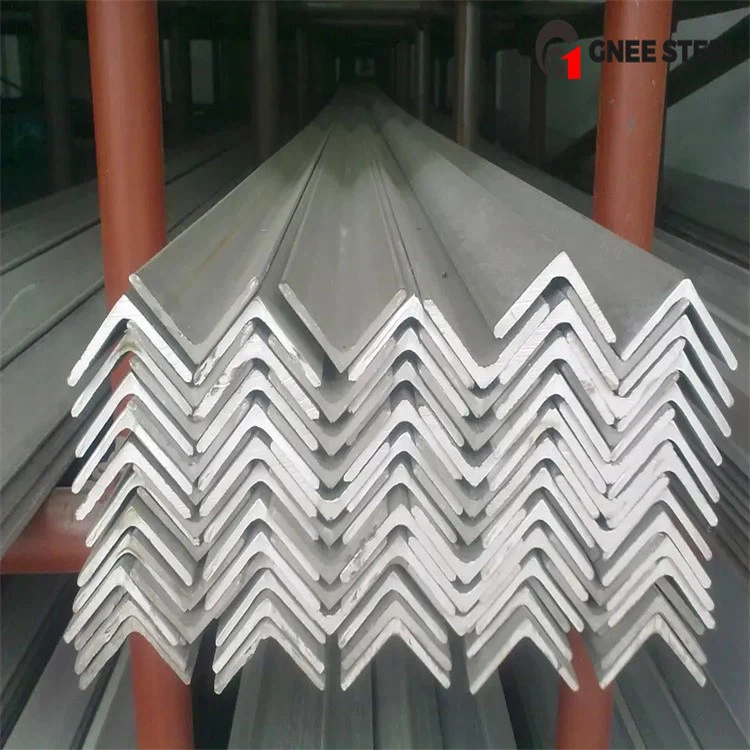
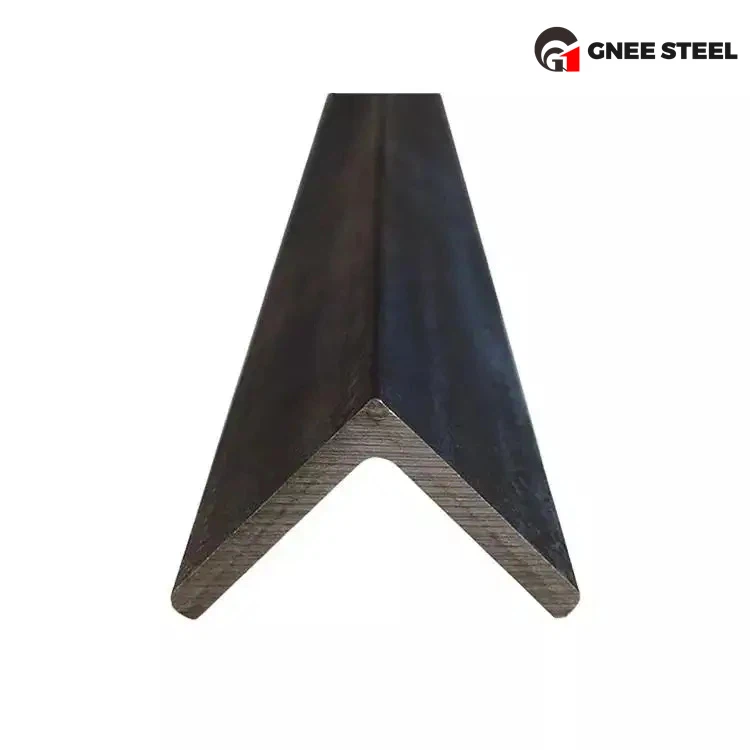
Steel remains the most commonly used slotted angle material, although aluminium alternatives are also available. The product is generally manufactured from sheet metal using machine presses to form the angle and to punch holes through the metal. The strips are normally produced in a variety of standard lengths, and steel versions are often painted or galvanized to protect them from rust.
Structural steel and reinforced concrete are not always chosen solely because they are the most ideal material for the structure. Companies rely on the ability to turn a profit for any construction project, as do the designers. The price of raw materials (steel, cement, coarse aggregate, fine aggregate, lumber for form-work, etc.) is constantly changing. If a structure could be constructed using either material, the cheapest of the two will likely control. Another significant variable is the location of the project. The closest steel fabrication facility may be much further from the construction site than the nearest concrete supplier. The high cost of energy and transportation will control the selection of the material as well. All of these costs will be taken into consideration before the conceptual design of a construction project is begun.


