


Structural steel is a category of steel used for making construction materials in a variety of shapes. Many structural steel shapes take the form of an elongated beam having a profile of a specific cross section. Structural steel shapes, sizes, chemical composition, mechanical properties such as strengths, storage practices, etc., are regulated by standards in most industrialized countries.
Most structural steel shapes, such as I-beams, have high second moments of area, which means they are very stiff in respect to their cross-sectional area and thus can support a high load without excessive sagging.
The shapes available are described in many published standards worldwide, and a number of specialist and proprietary cross sections are also available.

A steel I-beam, in this case used to support timber joists in a house
I-beam (I-shaped cross-section – in Britain these include Universal Beams (UB) and Universal Columns (UC); in Europe it includes the IPE, HE, HL, HD and other sections; in the US it includes Wide Flange (WF or W-Shape) and H sections)
Z-Shape (half a flange in opposite directions)
HSS-Shape (Hollow structural section also known as SHS (structural hollow section) and including square, rectangular, circular (pipe) and elliptical cross sections)
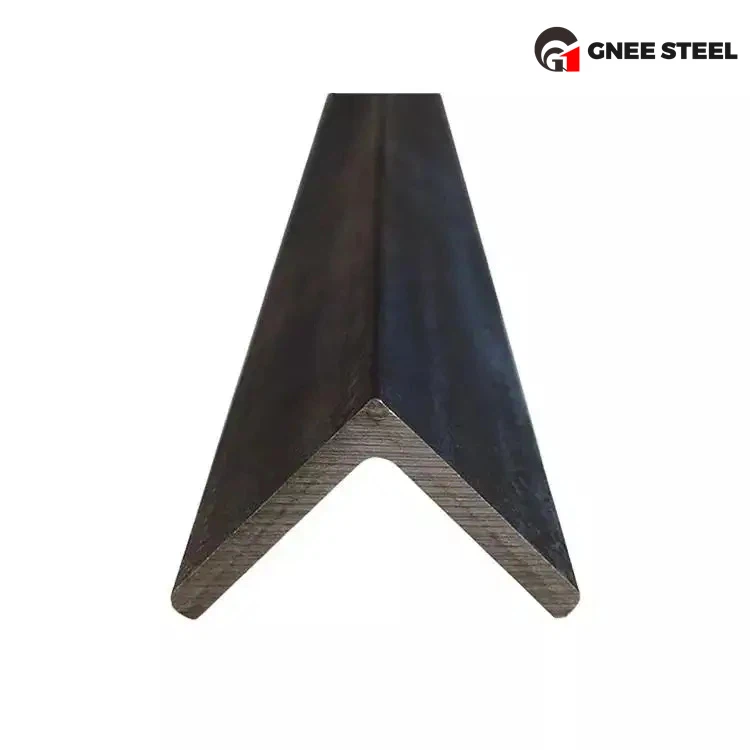
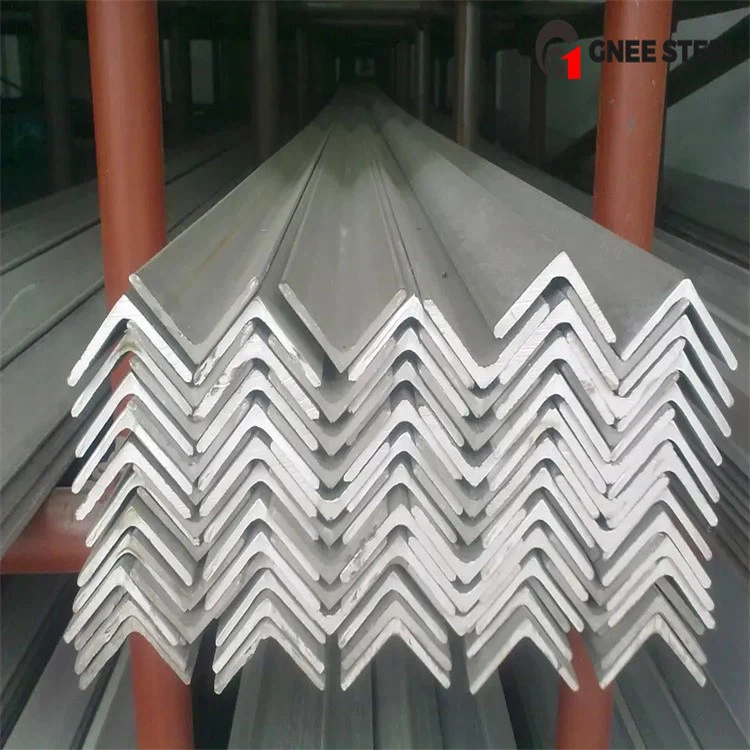
Angle (L-shaped cross-section)
Structural channel, or C-beam, or C cross-section
Tee (T-shaped cross-section)
Rail profile (asymmetrical I-beam)
Railway rail
Vignoles rail
Flanged T rail
Grooved rail
Bar, a long piece with a rectangular cross section, but not so wide so as to be called a sheet.
Rod, a round or square section long compared to its width; see also rebar and dowel.
Plate, metal sheets thicker than 6 mm or 1⁄4 in.
Open web steel joist
While many sections are made by hot or cold rolling, others are made by welding together flat or bent plates (for example, the largest circular hollow sections are made from flat plate bent into a circle and seam-welded).
The terms angle iron, channel iron, and sheet iron have been in common use since before wrought iron was replaced by steel for commercial purposes. They have lived on after the era of commercial wrought iron and are still sometimes heard today, informally, in reference to steel angle stock, channel stock, and sheet, despite that they are misnomers (compare "tin foil", still sometimes used informally for aluminum foil). In formal writing for metalworking contexts, accurate terms like angle stock, channel stock, and sheet are used.
and then fixed with nuts and bolts. Tension plates and other metal strips are also available to add strength to the finished structure.


